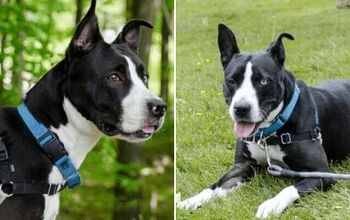
With the arrival of sunshine and warm temperatures comes a time many of us look forward to all year: patio season. It’s incredibly tempting to grab your dog’s leash, head to the nearest brewery or café, and spend an afternoon catching up with friends while your dog rests peacefully at your feet. But if we’re being completely honest, the reality of public dining with a dog can often feel less like a relaxing getaway and more like a stressful exercise in damage control. Between navigating tight seating arrangements, managing high-value food temptation, and keeping your dog calm as another pup walks past, a busy outdoor patio can be a lot for your dog’s mind to process. The good news is that a relaxing patio experience isn’t an unattainable goal; it’s simply a skill set you need to develop and practice. By shifting your approach from merely surviving the outing to proactively setting your dog up for success, you can transform these social outings into rewarding and enjoyable adventures for both ends of the leash. Ready to get started? Disclosure: PetGuide may receive a small affiliate commission from purchases made via links in this article, but at no cost to you.Core Training Skills for the PatioLong before you request a table for two, the real work begins at home. Patios are high-distraction environments filled with interesting scents, servers carrying armfuls of tasty food, other patio visitors, and unpredictable noises. Expecting a dog to naturally know how to relax in the middle of a busy patio is a recipe for frustration. Instead, we need to teach them the behaviors we want to see, gradually building their confidence and focus at home. “Place” The single most critical skill for any well-behaved pup on the patio is to learn to settle on a specific mat or towel until given a release. This concept, often called stationing, gives your dog a clear physical boundary and a predictable job to focus on: staying on the mat and relaxing. Start by choosing a lightweight, portable mat to bring with you on your patio adventures. There are many options to choose from, depending on what benefits you are looking for. Things to consider when shopping include: Waterproof or water resistant (spills happen) Packed size for portabilityPadding (especially for senior dogs or those with joint aches and pains)Cooling or heating properties for shoulder seasons Durability While I have tried several options for different types of travel with my pups, from road trips to camping, my favorite for a quick patio mat is the Ruffwear Highlands Dog Pad. Start by introducing the mat at home in a quiet room. Reward your dog with high-value treats simply for stepping onto it at first, creating a positive association with that tool. Eventually, you can move on to shaping the behavior into a calm lie-down. To do this, slowly add to the expectation step by step, rewarding stepping onto the mat and sitting down, then stepping onto the mat and lying down, always focusing on staying calm throughout the process. If you have a high-energy pup, you likely will need to address that energy before training sessions if you have any hope of calm and relaxation. Slowly increase the time you expect your dog to stay lying on the mat before receiving a reward. Introduce distractions at home, like tossing a toy nearby or opening the front door, to further reinforce the behavior. Once your dog willingly runs to the mat at home and ignores these everyday distractions, practice in low-stakes outdoor settings, such as a quiet corner of a park or a family member’s backyard. Let your dog lead the pace. It may take longer than you would like, but working up to a busy patio in this way will set you up for success. “Under” or “Tuck” Space is sometimes a challenge on a crowded patio, especially if you have a larger pup. A dog sprawled out across a main walkway is a safety hazard for busy servers and a target for other customers. Teaching your dog to position themselves under a table or chair keeps them safe and out of the line of fire. To do this, sit in a standard kitchen chair at home and use a high-value treat to gently lure your dog under your legs or beneath the table, depending on where you want them to settle. As soon as their entire body is tucked out of the way and they settle into a down position, mark the behavior with a verbal cue (like “under” or “tuck”) and reward them. Repeat this until they associate the command with the desired behavior. “Leave It” Restaurant patios are a minefield of dropped food, spilled drinks, and discarded napkins. A dog who grabs and eats whatever they find can quickly end up in a bad situation, ranging from an upset tummy to a life-threatening blockage or toxic exposure. A sharp “leave it” command will give you the ability to keep your pup safe. Practice at home by placing a low-value treat on the floor and covering it with your hand. The moment your dog looks away from your hand, reward them with a much higher-value treat from your pocket. Gradually transition to dropping food from counter height while practicing the command, ensuring your dog understands that floor food is strictly off-limits unless they are given clear permission to take it.