

How to Keep Your Senior Cat Happy and Healthy

Caring for a senior cat requires a little extra attention as their needs change. With the right approach, you can help your older cat enjoy their golden years with plenty of comfort and happiness.
Disclosure: PetGuide may receive a small affiliate commission from purchases made via links in this article but at no cost to you.

1. Regular Vet Visits
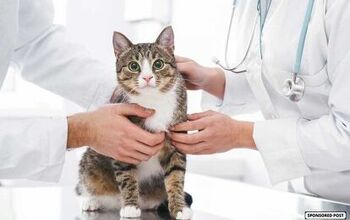
One of the most important steps in caring for any cat, but a senior cat especially, is scheduling regular vet checkups.
Older cats are more prone to health issues such as kidney disease, arthritis, and dental problems. Your vet can catch these issues early and recommend treatments or lifestyle adjustments to keep your cat healthy.
2. Balanced Nutrition
Nutrition plays a huge role in your cat's overall wellbeing. Senior cats often benefit from diets formulated specifically for their age, which a vet can advise you on.
These foods usually have fewer calories, easily digestible protein, and added nutrients to support joints, kidneys, and overall health.
Always provide fresh water and consider multiple water stations around your home to encourage hydration.
3. Exercise and Mental Stimulation
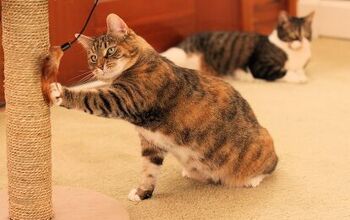
Even older cats need daily activity to maintain muscle tone and prevent obesity. Gentle play sessions with toys or interactive games can keep your cat moving without putting too much strain on aging joints.
Mental stimulation is equally important. Puzzle feeders, new scents, or safe window perches can keep your cat engaged and happy.

4. Comfortable Living Environment
Soft bedding, ramps or steps to favorite spots, and litter boxes with low sides can make life easier and more comfortable for your senior cat.
Keep their environment calm and predictable to reduce stress, which can affect both physical and emotional health.
5. Monitor Behavior and Health
Pay close attention to changes in behavior, appetite, or litter box habits. Small changes can indicate health problems, so early detection is key. Regular grooming can also help you notice lumps, skin changes, or dental issues.

Final Thoughts
Caring for a senior cat is a rewarding experience.
With attention to health, nutrition, exercise, and love, you can help your furry friend enjoy a happy and comfortable life well into their later years. Do you have any other tips to share? Comment down below.
Join the PetGuide community. Get the latest pet news and product recommendations by subscribing to our newsletter here.
More by Rachel M.