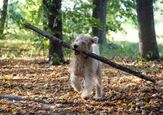


4 Easy Tips for Taking Even Better Care of Your Older Dog

As your dog gets older, their needs will naturally change.
They may move a little slower, sleep more, or need extra help staying comfortable.
The good news is that a few simple changes can make their golden years happier, healthier, and more comfortable.
Here are four easy ways to give your senior dog the care they deserve.

Table of contents
Disclosure: PetGuide may receive a small affiliate commission from purchases made via links in this article but at no cost to you.
1. Keep Up With Vet Visits
Older dogs can develop health problems that aren't always obvious at first.
Regular vet checkups give your vet a chance to catch changes early and keep an eye on things like your dog's weight, teeth, joints, and overall health.
Your vet may also recommend bloodwork or other routine tests as your dog gets older.
If you notice changes in their appetite, thirst, bathroom habits, energy levels, or behavior, don't wait until their next appointment to bring them up.

2. Make Exercise Gentle and Consistent
Your older dog may not be able to chase a ball around the yard like they once did, but that doesn't mean they should stop exercising altogether.
Gentle, regular activity can help keep their muscles strong and their joints moving.
Shorter walks, leisurely sniffing sessions, and low-impact play can all be great options. Pay attention to your dog's energy and comfort, and let them rest when they need to.
If your dog suddenly seems reluctant to walk, climb stairs, or get up from their bed, talk to your vet. A change in mobility can sometimes signal an underlying problem.
3. Give Them a Comfortable Place to Rest
Senior dogs often appreciate a little extra comfort around the house.
A supportive, well-padded bed can help them settle in, especially if they're experiencing stiffness or simply prefer to sleep more than they used to.
It's also worth looking around your home for potential challenges.
Slippery floors, steep stairs, and hard-to-reach food or water bowls can become more difficult for an older dog to navigate.
Small changes, such as adding rugs to slippery areas or moving their bowls somewhere easier to reach, can make a surprisingly big difference.
👉 Give your older dog a more comfortable place to rest with this extra-large orthopedic bed, designed with supportive cushioning and a waterproof, washable cover.

EHEYCIGA Orthopedic Extra Large Dog Bed
4. Keep an Eye on Their Diet
Your dog's nutritional needs can change as they age, so it's worth discussing their food with your vet.
Some older dogs may need dietary adjustments based on their weight, activity level, or individual health needs.
Avoid making major changes to their diet without professional guidance. And don't forget about treats!
If your dog is less active than they used to be, keeping treats and table scraps in check can help prevent unwanted weight gain.

Making Their Golden Years Great
Caring for an older dog doesn't have to mean completely changing your routine.
A few thoughtful adjustments, regular veterinary care, and plenty of patience can help your dog stay comfortable and enjoy the things they love for years to come.
Join the PetGuide community. Get the latest pet news and product recommendations by subscribing to our newsletter here.
More by Rachel


