

Found a Lost Dog? Here’s What to Do Next

Years ago, I was driving through a rural area on a fairly busy road when I spotted a dog out of the corner of my eye. It looked out of place and was standing dangerously close to traffic.
I turned my car around, found a safe place to park, and went to check on it. Thankfully, this story has a happy ending, which I’ll share later.
But first, if you’ve ever wondered what to do with a lost dog, there are a few important steps that can help keep the animal safe and increase the chances of reuniting it with its owner.
With a careful approach, a few simple checks, and help from the right local resources, you may be able to help a lost dog find its way back home.

Disclosure: PetGuide may receive a small affiliate commission from purchases made via links in this article but at no cost to you.
Table of contents
1. Approach Carefully
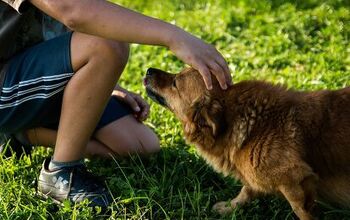
Before doing anything, pay attention to the dog’s behavior. Some dogs may seem friendly and relieved to see someone, while others might feel scared, nervous, or defensive.
Avoid sudden movements and loud noises. Let the dog come to you if possible, and read its demeanor before attempting to touch it.
Even a normally friendly dog can react unpredictably when it’s stressed or lost. In my case, I called the dog after noticing she was calm (yet clearly scared) and she jumped right into my car!

 This slip lead would have been a useful tool to have on hand. The best part is, you don’t need a collar to use this leash. It received high reviews and has a low price, so I’m considering getting this for my own dogs.

Fida Durable Slip Lead Dog Leash, 6 FT x 1/2" Heavy Duty
2. Check for Identification
If the dog has a collar, look for identification tags or an owner’s phone number. A quick phone call could solve the situation immediately.
As fate would have it, the dog from my story had a collar without any ID tags.
Before leaving the area, take a moment to look around for any lost pet signs posted nearby. Many owners put up flyers close to where their dog disappeared.
If you don’t see any signs, check local Facebook groups or community pages related to the area where you found the dog. Owners often post there first when searching for a missing pet.
This would have kept my car a bit cleaner! If you travel with pets, check out this dog car seat cover. It has a seatbelt attachment to keep your pet from getting hurt on the go.

Dog Car Seat Cover, 600D Heavy Dute Durable Car Seat Cover for Dogs Pets, 100% Waterproof
3. Contact Nearby Veterinary Offices
Call a few veterinary offices close to where you found the dog and give them the details.
Even if the dog doesn’t appear injured, local vets can help spread the word about the found pet. Plus, if the dog is injured or seems sick, you’ll want him or her to be seen by a professional.

If the dog allows handling and you can safely transport it, a veterinary office can also scan for a microchip.
If the dog has one, the clinic may be able to contact the owner directly using the chip information. As it turned out, the dog that I found didn’t have a chip either.
Vet offices may keep records of missing pets or post notices about found animals, and owners are bound to call nearby clinics to ask about their missing pet.
4. Notify the Local SPCA or Animal Pound
Contact the local SPCA or animal pound as soon as possible. Owners often call shelters and animal control organizations when their pet goes missing, so your report could help connect the dots quickly.
Provide a clear description of the dog, the location where you found it, and your contact information. If possible, include a photo and details like the dog’s size, breed, color, and any distinctive markings.
5. Foster Temporarily
If you’re able to temporarily foster the dog while searching for the owner, that can be incredibly helpful. A calm home environment is often less stressful for the dog than staying outdoors.
However, take precautions if you already have pets. Keep the found dog separate in case they don’t get along or if the dog is sick.
Use separate food bowls, bedding, and spaces until you know more about the dog’s health and temperament.
You should also be cautious around children.
A lost dog may feel overwhelmed by attention or unpredictable behavior and may not react well in an unfamiliar environment.
6. How the Story Ended
At first, none of the clinics or the local SPCA that I reached out to had heard anything from owners looking for this dog.
I kept her at my house for one night. She was very docile and made herself right at home, even sleeping in my bed. Yes, I slept with one eye open just in case!

I took her into the SPCA the following morning with some treats in tow. I asked that they inform me of whether her owners found her or not. I wasn’t in the position to adopt her, but I would've considered fostering if necessary.
A few days later, they called me back to say that her owner had called and came to pick her up! She came from a family home (which explains why she was so chill) and who knows why she didn’t have an ID chip!?
What to Do With a Lost Dog
Knowing what to do with a lost dog can help protect both the animal and the people around it while increasing the chances of a happy reunion with its owner.
Always prioritize your own safety and use extra caution around an unfamiliar dog to avoid getting injured.
Have you ever found a lost pet? Share how it went in the comments. For more pet ideas, check out: pet hair everywhere? try these 5 simple fixes.
Join the PetGuide community. Get the latest pet news and product recommendations by subscribing to our newsletter here.
More by Sophie