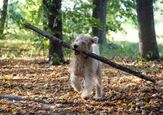
We’ve all seen it, the look of pure joy the moment your dog grabs a toy, plants their paws, and gives you the playful invite to pull. It’s one of the most rewarding ways to play and connect with your pup, tapping into their natural instincts while spending quality time together.However, in recent years, experts have been warning that this well-meaning game could be putting your dog at risk. The way you pull can put unnecessary strain on your dog’s neck and spine, potentially causing long-term injuries. Luckily, it doesn’t have to be that way! By making a few simple changes to how you move and what toys you choose, you can ensure your dog’s favorite game stays fun, their body stays protected, and your bond only gets stronger. Disclosure: PetGuide may receive a small affiliate commission from purchases made via links in this article, but at no cost to you.Understanding the Love of Tug To truly appreciate the game, we have to look at it through our dogs’ eyes. Tug isn’t about conflict or winning; it is a safe, structured outlet for the natural predatory or hunting sequence their ancestors used. In the wild, dogs would use these same muscles and actions to secure and dismantle food. When we play tug, we are giving them a way to satisfy those urges without the need for actual hunting. Cooperative PlayUnlike a game of fetch, which is often a repetitive go-and-get cycle, tug is a collaborative game played together. When you hold the other end of the toy, you are working with your dog on a shared task. This shared experience builds a unique level of trust. It turns that simple toy into a special form of communication, where you both learn to read each other’s body language and interactions in real-time. Mental Enrichment and Decompression Tug is often more exhausting for a dog than a long walk because it’s not just a physical effort. There is an intense mental focus required. It demands high levels of: Concentration: Tracking the toy's movement and adjusting their grip when neededPhysical Control: Using their core and hindquarters to stabilize their weightArousal Management: Learning to stay focused and responsive even when their adrenaline is pumping Not only does this engage their minds, preventing boredom and supporting their cognitive health, but it’s also a great outlet for pent-up energy or anxiety. Rather than letting their big emotions build and explode negatively, they can channel that energy into a fun game. Building Confidence Through Play For naturally nervous, reserved, or hesitant dogs, tug can be a great way to build confidence. Allowing your dog to win the game and carry the toy around, as if taking a victory lap, offers a massive boost to their self-esteem. It teaches them that they have control and power over some aspects of their life within the safety of your relationship, which often carries over into how they handle challenges in the outside world. Impulse Control Arguably, the most valuable benefit for many dog parents is the ability to use this fun game as a teaching tool for emotional regulation. By introducing structured pauses and on/off cues, the game becomes an opportunity to learn and practice impulse control. Your dog learns they can be at a high level of excitement one moment and perfectly calm the next. This powerful skill is helpful both during playtime and when navigating high-stress situations in their daily lives. How do you know if the game is working? Pay careful attention to what your dog does throughout your play session. How do they react when you pause? Do they wait for a cue, or are they still learning how to find that off switch? Don't forget to praise and reward them when they make positive, healthy choices. Spinal and Neck Safety As much as we love the enthusiasm our dogs naturally bring to the game, their physical safety has to be a priority. As loving dog parents, that’s where we have to step up. The canine neck and spine are impressively strong, but they aren’t designed for the sudden, vertical jerks or high-velocity shaking that often happens during unregulated play. The most important rule for spinal health is to keep the game horizontal. When we pull upward, we force the dog’s neck into an unnatural arch, putting immense pressure on the cervical vertebrae. Instead, keep the toy at your dog’s natural mouth height. This allows them to use their rear and core muscles to pull back safely, rather than straining their neck to reach up. While dogs naturally shake their prey (including their toys), we should avoid initiating any aggressive shaking. If you move the toy, keep the motion slow and steady, from side to side. Think of it as a smooth, rhythmic weight-shifting exercise rather than a series of sharp tugs. Rapid, vertical movements, especially those that lift a dog’s front paws off the ground, can lead to repetitive strain injuries or, in extreme cases, acute disc issues. Finally, you should always watch for signs of fatigue. When a dog gets tired, their muscular support for the spine weakens, making them more prone to injury. If you notice your dog’s grip loosening, their pull becoming less steady, or their back arching excessively to compensate for feeling tired, it’s time to call the game over and move into a decompression activity like a calm chew. Your dog isn’t going to self-regulate during play, especially if they are a high-drive and high-energy breed. They are relying on you to set and stick to safe limits.