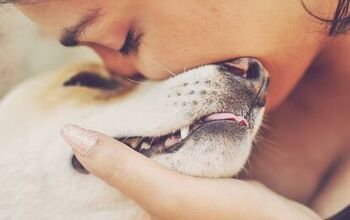


What Is the 3-3-3 Rule for Adopted Dogs?
The 3-3-3 rule for adopted dogs is a simple process you can use to understand the needs of your rescue puppy or adult dog. It can help both you and your pet in many ways as you get to know each other at home.

First 3 Days
The first three days after you bring your adopted dog home can be overwhelming and confusing for them. After all, they’re going through new experiences in a place they aren’t familiar with. Your pet may show signs of fear, stress, uncertainty, and anxiety, so it’s important to be patient and caring.
These three days are for decompression, when dogs need some space to look around and get to know their surroundings while also getting to know their family. Giving them a secure and quiet place to rest, such as their own crate, can be helpful during these initial days at home.
The goal is to get your dog to feel comfortable and relaxed, so keep the environment as calm, peaceful, and happy as possible to avoid overstimulating them or stressing them further. This isn’t the time to have a lot of people visit, and don’t force your dog to interact if they don’t want to just yet.
Keep in mind that your dog might not eat or drink much, and might rest a lot, during this period. They might even have potty accidents despite being housetrained.
To help your dog feel at ease during the decompression period, you might consider using a product like the ThunderEase Calming Diffuser for Dogs. Plug in this diffuser a few days before you bring your dog home, and put it in the room where they’ll likely spend the most time. It works by releasing an odorless canine pheromone that mimics the one a mother dog releases when nursing puppies, so it helps dogs who are stressed and fearful.

First 3 Weeks
The first three weeks after bringing your rescue dog home are for adjustment, and this is when you can begin establishing a routine. Once your dog has settled in, you’ll be able to develop a stronger bond as you continue to get to know each other.
This is a good time to train your dog, introduce them to more people, and give them various toys and forms of enrichment. As you did in the first three days, take a gradual and patient approach. Start with the basics (e.g., commands like “sit” and “stay”), and use positive reinforcement for everything from housetraining to obedience training.
Your dog can also learn a lot through regular daily activities like playing and going for walks. Every interaction is a chance for your pet to understand boundaries and routines. Your dog might test you by pushing boundaries, but never use harsh methods to correct behavioral problems.
Tasty treats like Full Moon Organic Chicken Training Treats can be helpful in teaching and reinforcing good behaviors, and can make training sessions more enjoyable for your pooch.

Overall, during this time, your dog should be learning, eating more, and interacting more. Their personality should be coming through more strongly as they become increasingly secure in their home.
First 3 Months
For the first three months, continue training your dog, building your bond, and watching them develop greater trust and confidence. Your pet should be comfortable enough to show you every side of their personality. And because you’ll know them better, you’ll be able to meet their needs better, too.
As long as your dog is ready, you can introduce them to fun adventures beyond daily walks and play sessions. Let them explore more with the help of products like the Wild One Dog Harness, which makes hiking comfortable for dogs as they take in all the interesting sights and sounds.

Use enrichment products, such as puzzle toys and snuffle mats, to keep things interesting for your dog even while at home. You can also take your pet’s training and socialization to the next level if they’ve mastered all of the basics and are ready for more advanced commands.
Let your pooch continue to meet new people and other dogs or pets in diverse environments. Maintain consistency, patience, and a positive approach to keep it enjoyable for yourself and your companion.
Different Dogs Will Adjust at Different Speeds
Bear in mind that different dogs will adjust to their new homes at varying speeds. Some might adjust more quickly than the 3-3-3 rule states, while others might take even longer than three months to acclimate. For example, dogs who experienced abuse or trauma might need a lot more time to develop trust and confidence.
Even if your dog adjusts at a different rate, you can still use this rule to gradually move from decompression to adjustment and training—just follow the general structure and guidance it provides.
If you need help along the way, consult a veterinarian, dog trainer or behaviorist, or the shelter or rescue your pet came from, as these professionals can provide support.
Why the 3-3-3 Rule Can Work for Pet Parents
The 3-3-3 rule basically says it takes a dog an average of three months to fully adjust after being adopted. So, this gives pet parents an idea of how long it can take for an adopted pet to settle into their new environment and family.
The rule also provides guidance on how you can take a step-by-step approach that keeps your dog’s feelings and needs in mind. It helps you realize that your rescue dog needs time to adjust, and it helps keep expectations in check.
After coming home, your dog will gradually feel at ease and their personality will shine as they gain their confidence over time. The 3-3-3 rule shows how your pet’s behavior and personality may change over the course of the first few days, weeks, and months of being home with you.
By following this rule, you’ll know when to introduce novel things to your dog so they don’t feel overwhelmed, and you’ll help your pet feel safe as they discover everything about their life with you. Before you know it, they’ll be an integral part of your daily routines and a loving member of your family.
Join the PetGuide community. Get the latest pet news and product recommendations by subscribing to our newsletter here.

Lisa Selvaggio is a freelance writer and editor, and our resident cats-pert, with certifications in pet nutrition and pet first aid. She enjoys producing content that helps people understand animals better so they can give their pets a safe and happy home.
More by Lisa Selvaggio