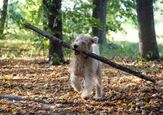
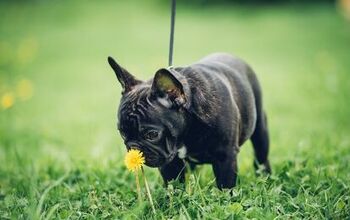
It’s important that your dog gets his daily walk for exercise purposes. But it’s just as vital to let your dog sniff his surroundings.
If nothing gets your pooch’s tail wagging as fast as saying “wanna go outside”, raise your hand! Seeing a leash or hearing the magic words gets doggos excited with good reason, as “walkies” are a favorite activity for most pets. A walk is the highlight of their day and they are content to go anywhere as long as they get to be outside and with you. Fresh air, their best friend by their side, and soooo many birds, squirrels, and other pooches to check out- what’s not to like? Also, you get to sniff all the fun stuff on walks, which is a particular treat for some canines. If your dog is among them, you’re probably wondering should you let them do it in the first place.
While on a walk, some dogs have a tendency to stop and sniff what seems like every couple of seconds – this can make your walk longer than you intended and it is frustrating for some dog owners. It’s perfectly understandable, though. You want your precious pet to have his fun, but when it means sniffing every blade of grass, each lamp post you pass by, and every other crack in the pavement, things get old pretty fast. Not to mention that sniffing on walks can impact your dog’s leash manners, making him pull and tug to reach the object that piqued his interest. So, how do you compromise with your sniffing-happy doggo? Should you let your dog sniff during his walk- and if so, how much is too much? Before answering that, let’s see why dogs are obsessed with sniffing everything in the first place.
Why Do Dogs Sniff So Much?
Dogs are big on sniffing- that’s something every dog owner can confirm. From the awkward crotch sniffers to mutts that act like their great-grandad was a certified bloodhound, every pooch has different sniffing habits. The reason why your pet is so keen on sniffing? Their nose is their most powerful tool for exploring his surroundings. We may associate scent with what’s happening right now, in this second, but for a dog it tells a much larger story. By sniffing, they can collect the information necessary to find out has happened in the area, whether there are other dogs nearby, what’s happening right now, if there are any threats that they should be concerned about, and more. This will give your dog more confidence in its surroundings rather than feeling the potential unease and anxiety that comes with the unknown.
Though dogs have the same five senses that people do, their sense of smell is infinitely stronger than ours. Their nose has 60 times more receptors, clocking in at a whopping 300 million scent receptors in your dog’s honker. This is why a dog’s sense of smell is the primary way he takes in information about the world around him. For a dog, sniffing things is an automatic behavior – this is how he experiences the world, the same way you experience the world through vision. By exploring the world around them, your dog will get important mental stimulation. Their brains will be busy working, identifying scents and connecting them with potential sources and situations. Mental stimulation is important to avoid boredom, which can lead to destructive habits.
Related: How To Safely Walk Your Dog In The Big City
That’s why it’s so important that you let your dog sniff things while he is out on a walk. If you deny them sniffing, it’s the same as you having to walk around blindfolded. Not much fun, eh? Your dog’s innate instincts are to explore the world with his nose, and preventing them from doing so is never a good idea. You don’t necessarily have to indulge him every time, but you should remember that the walk is for his benefit. If your dog wants to sniff something for a few seconds, let him!
Dos and Don’ts for Walking Your Dog
Walking your dog may seem as simple as clipping on his leash and walking out the door but any experienced dog owner will tell you that there’s a little more to it. Some might think that walks are for going potty and that’s it for the day- but going outside is important to your dog’s overall being, and not just a quick toilet break.
Related: How To Stop Your Dog From Lunging While Walking
Taking your dog for a walk is about more than just giving him some exercise – it’s also an opportunity for socialization and a chance for him to explore his world and expand his mind. As much good long and regular walks do for your dog’s physical health, they have as much benefits- if not more so- for their mental health and wellbeing. Your dog’s strutting and sniffing will keep them happy and healthy throughout their life- don’t underestimate the importance of “walkies”. So, not only is it your job to make sure your dog gets a daily walk, but it is also your job to keep your dog safe on that walk – here are some dos and don’ts to follow:
Do let your dog sniff. As you’ve already learned, dogs explore their world through sniffing so you should let your dog sniff to his heart’s content on a walk.Don’t let your dog approach another dog unannounced. Even if you know that your dog wouldn’t hurt a fly, you don’t necessarily know anything about the other dog – always ask permission from the owner before approaching for a meet-and-greet.Do invest in a high-quality collar and leash. The type of collar and leash you choose may depend on your dog’s breed but make sure it is of high-quality material and that it fits properly.Don’t pull too hard on the leash. If your dog has a tendency to pull, avoid the temptation to pull back because you could damage his throat.Do reinforce good behavior. Teaching your dog good leash etiquette is something you should do when he is a puppy but you’ll need to keep reinforcing that good behavior throughout his life with praise and rewards.Don’t let your dog off the leash in unsafe areas. Even if your dog is well trained, some dogs can be stubborn and times and may not listen if you try to alert him to a potential danger. Always keep your dog on the leash unless you’re in a fenced yard or enclosed dog park.
Make Safety A Priority
One concern that many pet parents have when giving their dog a little more freedom on leash is the risk that they may get into something that they shouldn’t along the way. From picking up someone’s garbage to nibbling at potentially toxic plants, there are many temptations that your dog may encounter. While you can’t eliminate the risk entirely, there are commands that you can teach your dog to help address the problem when it arises.
Two popular training cues are ‘Watch Me’ and ‘Leave It’. Watch Me teaches your dog to turn their attention to you 100%, drawing them away from the temptation. This gives you control over the situation making it easy to remove your dog from whatever they may have found enticing. On the other hand, Leave It is a command that acknowledges that your dog is interested in something and instructs them to ignore it.
Deciding which of these commands will work best for your dog will depend on his or her personality as well as the other commands that you are currently using during training. Start training at home where you can control the setting and limit distractions. For example, you can teach your dog to leave a treat until given permission to take it. As your dog becomes more confident in their new command, you can start applying this teaching to real world situations.
The most important thing to remember is consistency. Choose a command and stick with it. This will help to enforce your teaching while also helping your dog to learn what to expect.
If you live in an area where you question the safety of allowing your dog to sniff freely for an extended time, you can also train your dog with a strict heel, directly by your side, and then a second command giving them permission to explore with a little more freedom. This is great for dog owners that may be walking their dog to a local park, requiring a more structured walk while moving down the sidewalk. You can keep your dog close at hand and safe until you arrive at the park where you can be a little more relaxed. Just remember, there can still be risks in safer spaces like parks and hiking trails.
Even though you want your dog to sniff freely, it’s your responsibility to make sure that your dog is properly trained and controlled when you are out on a walk. Keeping your dog under control doesn’t have to mean preventing him from enjoying the walk, however – you should let your dog sniff and explore to his heart’s content as long as it is safe for him to do so.