

Thinking of Adopting a Senior Dog? Let's Get You Ready!


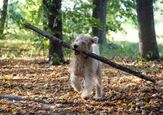
(photo credit: Sylvie Pabion Martin / shutterstock.com)
I live with three dogs, and two cats and two of the dogs are seniors. For anyone with a senior pet, you know that’s a big statement because older pets require more work. A lot more work. From more attention to ensure they’re not too warm, too cold, tired, off their food or becoming incontinent, to developing a game plan (often with the input of your veterinarian) to help ensure their senior years are as enjoyable as possible. It’s a labour of love that we adjust to as we ease into this new chapter.
But what if we chose not to ease into it, but to jump straight in with both feet? Yes, we’re talking about choosing to adopt an older dog. Do you have what it takes? You do if you’re prepared.
Anticipate the Future
Let’s start with what you can expect. According to the American Kennel Club (AKC), issues related to old age in dogs are not that dissimilar to what a human experiences, including:
- Vision decline (cataracts and glaucoma)
- Hearing loss
- Arthritis and a decrease in mobility
- Cancer
- Kidney disease
- Heart disease
- Diabetes
- Dental issues
Some are more prevalent in certain breeds or dog sizes. Small dogs are known for their dental issues, while larger dogs may be more likely to encounter joint issues due to their size and weight.
Outfit Your Home for a Senior Dog
How to prepare for an incoming geriatric adoptee? Do your research in advance to understand breed issues. While many adoptable pooches may present as “non-determined” and age may be questionable, your vet can help you come up with a best guess in both regards.
From there, let’s talk about how to anticipate the needs and outfit your home for this new arrival.

Particularly for larger breeds, simply raising his bowl off the floor means no more having to stoop low to drink or eat. And this simple step instantly alleviates pressure on your dog’s back and neck and with something like this adjustable anti-slip set of raised dog bowls from Comesoon, you have four height levels to meet the needs of any senior breed.
Okay, these are my best friend these days. Regardless of how regularly you get your pet out for a pee-pee break and how well you time things, puddles (and more) happen. For any dog that’s been trained throughout his life to hold on until he’s leashed and outdoors, it can be particularly upsetting. Try a couple of strategically placed, well-sized, reasonably priced pee pads that allow him to relieve himself without shame… and you to clean up without having to scrub floors and carpets.

One of my senior dogs is still relatively mobile when it comes to walks, the other not so much. While wee Ruby is not ready for a dog stroller just yet, she has slowed down and struggles to keep up. That’s where a dog lift harness or sling is just the ticket. Your dog is still walking – so getting in the exercise – but you’re helping him keep up with the pack… and building his confidence at the same time.
Senior dogs with dental issues (pretty well all of them) can’t tackle the heavy-duty rawhides or rubber bones they once could when they were younger. That said, they still love to chew, and thankfully, the pet food industry understands. That’s why finding something like this flexible chew for senior dogs from Groovies is such a great solution. Free of artificial flavors, colors and gluten, it’s perfect for scrubbing older teeth without irritating sensitive gums.

The dog diaper is another good friend of mine. I opted for the three-pack of washable female dog diapers from Leekalos versus the disposable variety. They’re soft, adjustable, surprisingly absorbent, easy to put on/take off due to Velcro straps, and rather adorable. Although the manufacturer doesn’t recommend machine-washing, I’ve had no problem with the diaper quality deteriorating since purchase several months ago. For male dogs, an absorbent, washable belly band is the way you want to go.
Ever met a senior dog that liked hard surface floors? My Ruby responds as if she were on a skating rink the moment she steps onto my hardwood floors. Her back feet struggle to grip, and if she goes down, it’s a struggle to get back up. Sometimes she simply chooses to lie down and fall asleep. Not a positive situation for her, and it’s one that can be surprisingly easy to resolve. Non-slip dog socks from Tiger Toes have been a game-changer for her. Yes, it took her a hot minute to get used to them, but she can now move throughout the house with relative ease. Whch means I’m not constantly repositioning carpets to form a pathway for her.
If you suspect your dog is losing their hearing, keeping a clicker handy can be a life-saver – literally and figuratively. Teaching him to respond to the sharp, high-pitched sound of a clicker allows you to call him over for a cuddle or treat – helping to build your bond and eliminate his sense of isolation. It can also help capture his attention when he may be at risk of injury from traffic, falls, or other animals.

I’ve found that having an extra-thick, memory-foam style mattress like this option from BedSure creates a super-comfortable safe space for an aging dog. With the thicker height, he can step up onto the bed versus having to lean down as he climbs onto it. It also makes it easier for him to exit the bed struggle-free. Now, my personal observation is that any bed with a raised bolster tends to cause my dog’s weakened back leg to get “stuck” as she tries to climb in. Something to think about when making your decision.
Considering the adoption of a senior dog? Good for you! Setting both you and your new family member up for success takes a little extra planning, an appropriate budget, and lots of love.
Sharing space with three seriously judgy Schnoodles and 2 felines who prefers to be left alone. #LivingMyBestLife
More by Mary Simpson


