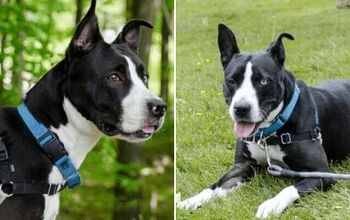
We all look forward to that time of day when we grab the leash and head out the door, knowing we get to see the pure joy our dog feels during this time together. It’s a beautiful chance to bond, burn off some energy, and let them explore the world through the senses ( especially their nose). But as any responsible dog parent knows, the second you step out your front door, you enter an unpredictable world where things can change in an instant. From an unexpected off-leash dog charging around the corner to sudden changes in weather or a harness that suddenly snaps, staying safe requires a bit of planning and preparation. Navigating these everyday risks confidently doesn’t mean walking on eggshells; it just means having the right tools, skills, and mindset to ensure that every outing with your pup is as secure as it is enjoyable. Disclosure: PetGuide may receive a small affiliate commission from purchases made via links in this article, but at no cost to you.Choosing and Fitting Your Basic Walking Gear Before we can step out the door with confidence, we have to look at the literal lifeline that connects us to our dogs, our walking system. Equipment failure is one of the most common, yet entirely preventable, safety risks we face on our daily walks. Whether you have a master escape artist who knows exactly how to back out of a collar when startled, or you are dealing with a powerful puller who puts a high level of strain on the metal clips, your walking gear needs to be up to the task! Relying on the wrong tools not only risks a sudden escape into traffic but can also cause long-term physical strain on your dog’s body (including possible injuries). Collars and Harnesses Choosing between a collar and a harness is not just a matter of personal preference; it is about understanding your dog’s anatomy and behavioral tendencies. Different tools are going to work better for each dog, and that’s okay! The Security of a Multi-Point HarnessFor the majority of dogs, a properly fitted ergonomic harness is the safest choice for daily walks. A high-quality harness distributes pressure evenly across the chest and ribcage rather than the delicate neck and throat. Look for designs with multiple adjustment points, specifically around the neck and girth, and a Y-shaped chest plate that allows for full, unrestricted shoulder movement. Example: RC Pets Momentum Control Harness The Case for the Martingale If your dog has a narrow head relative to their neck, like a Greyhound or a Whippet, or if they have a history of panicking and backing out of standard gear, a Martingale collar may be the right tool for you. Unlike standard flat collars, a Martingale features a unique dual-loop design that gently tightens just enough to prevent the collar from slipping over their ears when tension is applied, but not enough to choke your dog. Example: Ruffwear Chain Reaction Dog Collar Importance of a Secure and Reliable FitEven the highest-rated safety gear on the market will fail if it’s not adjusted and fit correctly. A harness or collar that is too loose leaves the door open for a quick escape, while gear that is too tight can cause painful chafing, trouble breathing, and restriction of your dog’s normal walking gait. To ensure your dog’s gear is dialed in perfectly, use the two-finger rule. You should be able to comfortably slide two fingers flat between the strap and your dog’s body. Check this fit while your dog is standing naturally, and remember to recheck these adjustments regularly. Straps can loosen over time with daily use, or their gear can become snugger as your dog’s coat changes with the seasons, or they put on a little extra winter weight. Standard Leashes Versus Retractable LeashesWhen it comes to the connection between you and your dog, most experts are fans of simplicity. A standard 4- to 6-foot fixed leash made of a durable material, such as nylon, leather, or weather-resistant Biothane, provides the optimal balance of freedom and immediate control when faced with trouble. While retractable leashes are popular for giving dogs room to roam, they pose significant safety risks when walking in a standard neighborhood setting. Because the thin cord is under constant tension, it is difficult to quickly reel a dog back in during an emergency, such as a sudden encounter with a car or an aggressive stray. Furthermore, the mechanical components inside the plastic handle can jam without warning, and the thin cord itself poses a risk of friction burns or injuries to you and your dog from getting tangled. Keeping your dog on a fixed leash ensures you can manage their safety in a split second. Environmental and Weather-Related Risks Even with the most secure gear, we are still at the mercy of Mother Nature anytime we’re spending time outdoors. Weather risks can sneak up on us quickly, turning a beautiful afternoon or a crisp morning into a health hazard. Protecting your dog means understanding their limits (some dogs are higher-risk than others) and recognizing that the outdoor environment changes drastically depending on the temperature. The Heat and the Pavement Test Heatstroke is a quick-acting and life-threatening condition in dogs, as they cannot sweat to cool down the way humans do. Beyond the air temperature, the ground itself poses a significant threat. Asphalt and concrete absorb and trap warmth from the sun, easily reaching temperatures that can burn delicate paw pads. A great rule of thumb is the seven-second rule: press the back of your bare hand firmly against the pavement. If you can’t comfortably hold it there for seven full seconds, it is far too hot for your dog’s paws, and the walk should be postponed or moved entirely to a shaded grass area. Winter Hazards and Chemical De-IcersOn the flip side, extreme cold poses a risk of hypothermia and frostbite, particularly in exposed areas like ears, tails, and paws. Beyond the temperature, winter walks in suburban or urban areas introduce the risk of chemical ice-melts and rock salt. These materials can cause painful chemical burns on paw pads. Plus, if your dog licks their paws after the walk to clean up, ingesting the residue can lead to a toxic exposure.