

How to Crate Train Your Dog Without Losing Your Mind


We’ve all been there: it’s 2:00 AM, and you’re staring at the ceiling while your new pup cries out, heartbroken, from inside their crate. In those moments, it’s easy to feel like the villain and wonder if you’re doing more harm than good. You’re not alone!
As a new dog parent, you want the best for your dog. You do everything you can to set them up for a life filled with comfort, safety, and confidence, but the path to getting there can feel incredibly overwhelming. Especially when you’re operating on caffeine and sheer willpower (I see you)!
The truth is that crate training isn’t about locking up your new best friend; it’s about providing them with a safe space where the world feels a little smaller and a lot safer. When introduced with patience and positive reinforcement, the crate becomes a place where your dog can truly decompress, away from the chaos of a busy household. It’s also a great tool to support your potty-training efforts.
This guide will help you navigate this chapter of your pup’s life without losing your mind, ensuring that both you and your dog can finally get a good night’s sleep.
Disclosure: PetGuide may receive a small affiliate commission from purchases made via links in this article, but at no cost to you.
Why Crate Training is a Win for Your Dog’s Well-Being
It is a common misconception that crating a dog is a restrictive or negative practice. When we look at it through the lens of canine psychology, we can see it from a different perspective. Dogs are naturally den-seeking animals; they instinctively look for small, enclosed spaces where they can rest without having to watch their backs from every angle. By providing a crate, you are essentially giving your dog their own bedroom, a place where the rules of the house don’t apply, and they can simply exist in peace.
Beyond the psychological comfort, there are several practical reasons why a dedicated crate routine is one of the kindest things you can do for your pup.
A Natural Safety Net
The most immediate benefit is safety. We all want to believe our dogs are perfect angels when we step out to run errands, but even the best-behaved pup can succumb to curiosity or separation anxiety. Whether it’s chewing through an electrical cord, discovering a toxic household cleaner, or ingesting a rogue sock, the home can be a minefield for unsupervised dogs. Our family dog, as I was growing up, even chewed up the stairs once! The crate acts as a safety net, ensuring that while you are away, your dog is tucked in a space where they can’t get into any trouble.
Developing the Internal Off-Switch
In our modern, high-stimulation world, many dogs struggle to relax. Between delivery drivers at the door, squirrels in the yard, and the general hum of a busy household, a dog’s nervous system can stay in a constant state of “alert.” Crate training helps teach a dog how to settle. By creating a routine where the crate represents downtime, you are helping your dog develop an internal off-switch. This leads to a more emotionally regulated pet who knows how to prioritize rest, which is just as important for their health as physical exercise.
Preparedness for Life’s Unexpected Moments
Life isn’t always predictable. At some point, your dog may need to stay overnight at a veterinary clinic for a procedure, travel in a vehicle, or even stay in a pet-friendly hotel. In all of these scenarios, being comfortable in a crate is a vital life skill. If a dog is already crate-trained, even if they don’t regularly spend time in the crate at home, a stressful situation like medical recovery becomes significantly easier. It allows them to feel comfortable and safe in the crate rather than feeling like it is an added punishment.
Supporting a Clean and Predictable Home
Logistically, the crate is a valuable tool for potty training. Because dogs have a natural instinct to keep their sleeping space clean, the crate encourages them to develop bladder and bowel control, going to the bathroom in a better-suited spot. This doesn’t just save your carpets; it reduces the friction between you and your pup during those early, testing months. When expectations are clear, and your dog is rewarded for regular successes ( positive reinforcement), the bond between you and your pet will grow much faster!
How to Choose the Right Crate
Choosing a crate isn’t just about picking the one that matches your living room décor; it’s about understanding your dog’s specific needs and finding a crate that addresses them. Think of it like shopping for a new mattress or a favorite armchair. If it’s too cramped, they won’t want to use it. If it’s too big, it loses that cozy den feeling that makes them feel safe.
Choosing the Right Material
There are three main types of crates you’ll encounter at the pet store, and each is suited for a slightly different lifestyle and purpose:
- Wire Crates: These are the most common for a reason. They offer excellent ventilation, which is vital if your dog has a thick coat or tends to run warm. They also provide a full view of the room, though many pet parents choose to put a breathable cover over the top to create a more “cave-like” atmosphere.
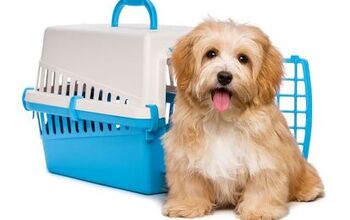
- Plastic Travel Crates: These are often sturdier and more enclosed. If you have a dog that gets overstimulated by seeing movement across the room, the solid walls of a plastic crate can provide a much-needed sense of privacy. Plus, they double as airline-approved carriers if you plan on travelling together.
- Furniture-Style Crates: For the minimalist home, these wooden or wicker crates blend seamlessly into your home décor. While aesthetically pleasing, these are best reserved for dogs who are already fully crate-trained and aren’t prone to chewing, as wood isn’t quite as durable as metal or heavy-duty plastic.
The Goldilocks Rule of Sizing
Sizing is where most dog parents feel a bit of analysis paralysis. The goal is to find the “Goldilocks” fit: not too big, not too small, but just right.
Your dog should be able to stand up fully without hitting their head on the top, turn around in a complete circle without struggling, and lie down flat on their side with their legs extended. If you are crate-training a puppy who is still growing, consider looking for a crate that comes with a divider panel. This allows you to start with a smaller space that grows alongside them, preventing them from using one far corner as a bathroom while they sleep in the other.
Finding the Perfect Spot in Your Home
Where you place the crate is just as important as the crate itself. You want to find a low-traffic but high-visibility area. Tucking the crate away in a dark, isolated basement can make your pup feel banished from the family pack, which triggers anxiety. On the other hand, placing it right in the middle of a busy kitchen might be too loud for a nap. A quiet corner of the living room or a spot in your bedroom usually provides the perfect balance of being included in the family while offering a quiet, cozy getaway.

Setting the Stage for Success
Before you even ask your dog to step inside, you need to transform the crate from a strange and unsettling object into the most rewarding spot in your home. If you just shove your dog into the crate and lock the door, you’ll be fighting an uphill battle against their natural survival instincts. Instead, we want to play the long game by building many positive associations.
Creating a Comfort Zone
Start by making the crate inviting. After all, it’s supposed to serve as a “ safe space.” A soft, washable crate mat or a few familiar blankets that smell like home can go a long way. However, keep your specific dog in mind. If you have a dog who tends to shred material and de-stuff their beds, you’ll need to stick to a durable, chew-resistant pad or even a bare floor until they have moved past that phase.
Temperature is also a huge factor that many pet parents overlook. Ensure the crate isn’t sitting directly over a heating vent or in a drafty hallway. If your dog has a thick double coat, they might actually prefer a cooler surface, whereas a short-haired pup might appreciate a cozy fleece.
The Power of Crate-Only Rewards
One of the most effective ways to build a positive association with the crate is to reserve some of your dog’s absolute favorite things specifically for that space. This creates a powerful mental “if/then” connection for your dog: If I go in here, then I get the best treat of the day.
- Long-Lasting Chews: Things like stuffed rubber toys filled with frozen wet food or plain yogurt keep a dog’s brain occupied and encourage self-soothing through licking and chewing.
- High-Value Treats: Think small pieces of plain boiled chicken, freeze-dried liver, or tiny bits of cheese.
- Special Toys: A specific interactive treat toy that only appears when they are near or in the crate helps to maintain the excitement.
The “Invisible” Crate Door
For the first few days, the door to the crate should effectively be non-existent. Prop it open securely so it doesn’t accidentally swing shut and startle your dog. You want them to feel like they can wander in and out at will. By removing the “trap” element early on, you allow their natural curiosity to take over. You’ll know when you’re ready to move to active crate-training when you see your dog wandering in just to see if there is anything exciting hiding inside.
The Step-by-Step Training Process
Now that the environment is set, it’s time to start the actual training. Remember, we are moving at the speed of your dog’s comfort, not the speed of your schedule. Pay attention to their comfort level and don’t move to the next step until they are truly comfortable with the current one.
Phase 1: The Treat Trail
Start by tossing a few high-value treats near the opening of the crate. Once your dog is comfortably vacuuming those up, toss a few just inside the door. Slowly work your way back until they are stepping all the way in to retrieve their prize. Praise them calmly when they enter, but don’t make a massive fuss. We want this to feel like a normal, rewarding part of their day.
Phase 2: Mealtime in the Den
Once your dog is walking in and out of the crate confidently, start feeding their regular meals inside the crate. At first, place the bowl right at the entrance. Over a period of several days, move the bowl further back. Eating is a vulnerable act for a dog; if they feel safe enough to eat in the crate, they are well on their way to feeling safe enough to sleep there.
Phase 3: Closing the Door (Briefly)
While your dog is busy eating their dinner or working on a chew, gently close the door. Open it again the second they finish, before they have a chance to feel anxious. You are teaching them that the door closing is a temporary event that always ends with it opening again. Gradually increase this time from thirty seconds to a few minutes, staying right there in the room with them.
Phase 4: Increasing Distance and Duration
Now, start practicing calm departures. Put your dog in the crate with a high-value chew, close the door, and walk into another room for a minute. Come back, sit on the couch for a moment, and then let them out. The goal is to make your movement around the house a non-event. If they start to whine, it’s a sign you’ve moved too quickly; go back to a shorter distance and build up more slowly.
A Simple Sanctuary for a Happy Life Together
At the end of the day, crate training is a journey of communication and trust between you and your dog. It’s easy to get caught up in the logistics of measurements and the frustration of a sleepless night, but when you zoom out, you’ll see that you are building a foundation for a lifetime of security. You aren’t just teaching your dog to stay in a box; you are teaching them how to feel safe in an unpredictable world.
There will be days when it feels like you’ve taken two steps back for every step forward. Take a deep breath, stay consistent, and don’t forget to celebrate the small victories along the way. You’ve got this, and so does your dog!
Join the PetGuide community. Get the latest pet news and product recommendations by subscribing to our newsletter here.
Britt Kascjak is a proud pet mom, sharing her heart (and her home) with her “pack” which includes her husband John, their 2 dogs – Lucifer and Willow – and their 2 cats – Jinx and Theia. She has been active in the animal rescue community for over 15 years, volunteering, fostering and advocating for organizations across Canada and the US. In her free time, she enjoys traveling around the country camping, hiking, and canoeing with her pets.
More by Britt