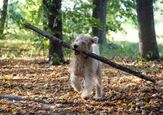


Guide to Puppy Food: Nourishing Your Pup for Growth
Bringing a new puppy home is exciting, but there’s a lot to think about, including what you’ll feed them to support their growth and development. Puppy food is different from adult dog food, and it’s important to know why. Here’s a brief guide to puppy food and what to consider when shopping for it.

Foods Formulated for Puppies
Puppies have different nutritional requirements than adult dogs—they need foods that help them develop and grow properly.
Because puppies grow quickly and have a lot of energy, they benefit from more calories and more fat than adult dogs. Also, because every part of their body, from their organs to their bones, is developing, they need foods that provide the right amounts of nutrients, vitamins, minerals, and healthy fats. For example, the right levels of calcium and phosphorus will support the bones, while omega-3s will support the brain and eyes, and protein will support the muscles.
In terms of how much to feed your pup, you can follow the instructions on a food’s label, and you can discuss this with your veterinarian to be sure you’re feeding the appropriate amount for your unique pet. You don’t want to underfeed or overfeed your puppy, and you may need to adjust the amount you feed as they grow, so track your pet’s weight and body condition.
Giving your pup the right nutrition from the start can help them develop a strong, healthy body. Once they reach adulthood, switch to food formulated for adult dogs.
Note: If you’re thinking about cooking food at home for your puppy, work with a veterinarian or canine nutritionist to be sure you’re doing it correctly. Homemade diets can be imbalanced or lacking in important nutrients, so it’s imperative that you do your research and get expert guidance to feed your pup right.
How Can You Know a Food Is Formulated for Puppies?
Complete and balanced dog foods are formulated for specific life stages to nutritionally support them throughout their lives, and this should be evident on food labels.
For instance, pet food labels should have an Association of American Feed Control Officials (AAFCO) statement, letting you know if the food is complete and balanced and which life stage it’s for.
According to AAFCO, the life stages are:
- Gestation/lactation (pregnant and nursing mother dogs)
- Growth (puppies)
- Maintenance (adult dogs)
- All life stages (puppies through seniors)
When shopping for food for your puppy, choosing one that’s formulated for growth will give you peace of mind that it’s nutritionally balanced for growing puppies.
Puppy Foods for Different Breeds
In addition to regular puppy foods, you’ll find those that are formulated for certain breeds based on their sizes. There are foods that meet the needs of toy, small, large, and giant breed puppies.
Tips for Shopping for Puppy Food
Finding the right food for your puppy can feel like a daunting task. Of course, you can turn to experts like your veterinarian or your puppy’s breeder or rescue, but there are also strategies you can use to narrow your options to the best ones for your furry friend.
You can choose from dry, wet, freeze-dried, raw, and fresh puppy foods. These are available from a wide range of brands, including those that use human-grade ingredients. You can discuss these options with your vet if you aren’t sure which path to take. Also, you can test out different foods to see what your pup prefers, whether it’s just one type or a combination.
As mentioned above, there are foods formulated for dogs based on breed sizes, so if you want the perfect meals for your large breed or small breed puppy, check labels for that information. Small breeds can benefit from smaller kibble that’s easier to eat. Large breeds can benefit from foods that are formulated to ensure they grow at the right speed and develop strong bones and joints.
Sticking with reputable pet food brands is wise. Research a brand to find out who they employ for their formulations (e.g., veterinary nutritionists, veterinarians), and if they’ve done studies or feeding trials to determine the effectiveness of their foods.
Note: Read labels carefully to see if a food is a complete and balanced meal or a meal topper for supplemental feeding.
Examples of Puppy Food Options
There’s something for every puppy and every budget, but it might take some time to find the food your dog will love.
Here’s a list to give you an idea of the myriad puppy foods on the market:
If you’re looking for puppy food formulated for toy dogs, there’s Purina Pro Plan Puppy Toy Breed Chicken & Rice Formula Dry Dog Food. It provides omega fatty acids, plenty of protein, and antioxidants. Plus, the small kibble is easier for little pups to chew.

On the other hand, if you have a puppy who will grow to be a large dog, check out Purina ONE +Plus Large Breed Puppy Formula Dry Dog Food. Chicken is the first ingredient, and this food is formulated for an appropriate growth rate for these breeds.

If you want to give your puppy wet food that contains humanely-raised and wild-caught ingredients, there are options like Open Farm Puppy Chicken & Salmon Pate. It also contains non-GMO vegetables, without any legumes, grains, soy, or corn.

Yet another option is the Stella & Chewy’s Beef & Salmon Freeze-Dried Raw Dinner Patties for Puppies. An easier and less messy way to feed your puppy raw foods, these freeze-dried patties need to be rehydrated with water or bone broth, and they contain beef, salmon, organs, and organic fruits and veggies.

When to Transition to Adult Dog Food
Transition your puppy to adult dog food gradually, and start this when they’re nearly full-grown.
Different dogs reach adulthood at varying ages. Generally, toy and small breeds may be full-grown when they’re around 8-12 months old, while medium breeds may take until they’re around 15 months old, and large and giant breeds may take up to 24 months.
As with all things related to your pet’s health and nutrition, you can consult your vet about when to begin transitioning your pooch from puppy food to adult food.
Join the PetGuide community. Get the latest pet news and product recommendations by subscribing to our newsletter here.

Lisa Selvaggio is a freelance writer and editor, and our resident cats-pert, with certifications in pet nutrition and pet first aid. She enjoys producing content that helps people understand animals better so they can give their pets a safe and happy home.
More by Lisa Selvaggio


