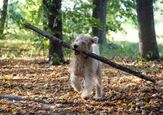
There is nothing quite like waking up to the sounds of birds singing and a fresh pot of coffee brewing over the campfire with your best friend by your side. Camping with our dogs is truly one of the best summer experiences, but as responsible and loving dog parents, we know that a successful trip often comes down to one big factor: our dogs’ comfort. New surroundings, hot summer days, dropping nighttime temperatures, and shifting routines can easily mess with your dog’s ability to relax and enjoy their vacation. Plus, if they aren’t cozy and settled, nobody is getting a good night’s sleep! Whether you’re taking your dog camping for the first time or looking to improve your outdoor setup, ensuring your dog feels safe, warm, and well cared for makes all the difference. Here are tips and tricks from my years of experience camping with dogs to help you create the ideal home away from home among the trees. Disclosure: PetGuide may receive a small affiliate commission from purchases made via links in this article, but at no cost to you.Sticking to the Daily Mealtime Routine Outdoor adventures bring plenty of new sights, smells, and experiences, but your dog’s diet shouldn’t be one of them. A dog’s digestive system thrives on consistency. Making sudden changes to what your dog is eating, or even when they are being fed, can cause stomach upset or other problems, especially if you’re miles from the nearest veterinarian. It might be tempting to treat your pup to extra table scraps around the campfire or switch to a high-calorie food just for the trip; after all, you’re planning on plenty of activity hiking, swimming, and exploring together. But sudden changes in food can trigger gastrointestinal problems. That’s why it’s so important to transition any food-related changes gradually over time. Instead, the best approach is to keep their main diet exactly the same as what they eat at home. If you practice rotational feeding, stick to a protein source that they are fully adjusted to rather than introducing a new ingredient at camp. This also means resisting those pleasing puppy eyes and sticking to familiar treats. Adjusting Portions for Your Dog’s Energy Needs While their food shouldn’t change, the amount they eat may need a slight adjustment based on their activity levels. Hiking, swimming, and simply staying warm in cooler evening temperatures, especially during shoulder-season adventures, can burn significantly more calories than a typical day hanging out at home. If this is the case for your trip, you can increase your dog’s daily serving slightly (typically by 10% to 20% depending on the intensity of your activities) to support their energy needs without overfeeding. Avoid giving your pup a large meal immediately before or after any heavy physical activity to lower the risk of bloat or stomach cramps. Give them 30 to 45 minutes to settle down before serving up their meal. Safe Food Storage Another important point to consider is how to properly store your dog’s food to keep it fresh and safely out of reach from curious local critters. One approach we use when backpacking is to measure out individual meals into reusable food-grade storage bags before we leave home. Not only does this save space (as you’re only bringing what you need), but it also makes mealtime quicker and easier so you can focus on enjoying your vacation. Moisture and heat can spoil dog food quickly. If you aren’t using storage bags, consider storing their food in airtight containers. Finally, always practice wildlife safety. Pack your dog’s food, bowls, and treats inside your bear canister, bear bin, hard-sided vehicle, or food hang alongside your own food. Dog food scents are just as enticing to wildlife as human food, and that smell can linger on their dishes long after your pup is done eating. The Importance of Proper HydrationStaying hydrated is just as essential for your dog’s safety and comfort as it is for yours. Between the extra physical activity and the time spent outdoors in the elements, your dog will naturally drink more water than usual. However, managing their hydration at camp will require a bit more thought than simply filling up a bowl at home. Hidden Risks of Natural Water SourcesIt can be tempting to let your dog drink freely from a stream or quiet lake, but natural water sources carry hidden dangers that can quickly ruin your camping trip. Stagnant water, streams, and lakes can harbor microscopic parasites like Giardia and Cryptosporidium. Ingesting these can cause severe diarrhea, vomiting, dehydration, or intense stomach cramps. Warm weather can cause cyanobacteria ( blue-green algae) to bloom in stagnant or slow-moving water. These algae blooms produce toxins that can be fatal to dogs, often within just hours of ingestion. Rule of Thumb: If you wouldn’t drink water without filtering or boiling it first, don’t let your dog drink it either! Packing Fresh Water To keep your pup safe and hydrated, always pack or account for enough clean, drinkable water to cover both of you, plus some extra as an emergency reserve. A general guideline is that your dog will need about 1 ounce of water per pound of body weight per day under normal conditions. On an active camping trip, they may require double that to compensate for exercise and heat. If safe drinking water isn’t available at your campsite, carry enough bottled or filtered water for the full stay, or bring a reliable water filtration system that works for both you and your pup. We love the simplicity of the Grayl GeoPress bottle. Dog Not Drinking? Some dogs get anxious or distracted by new environments and drink less than they should. Dehydration isn’t something you want to play around with. The risks to your dog’s health and well-being are too great. If your dog is reluctant to drink, you can try splashing a little dog-safe bone broth into their water bowl to entice them.