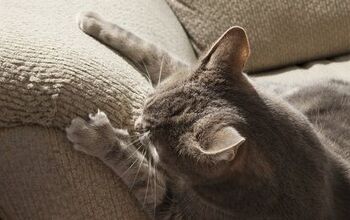
Every cat parent knows the joy in seeing their best friend curled up in a sunbeam, seemingly lost in a world of happy dreams. They wake up, stretch, and enjoy a bite to eat before searching out another cozy spot to settle in. It’s easy to look at this picture and think, “My cat has it made.” And in many ways, they do. Our beloved house cats today are safe from the dangers of the outdoors. They receive regular vet care, and their every need is met. But what if we’re missing a subtle cry for something more? While we’ve done an excellent job protecting our cats from physical harm, we may have inadvertently created a life that lacks the mental and instinctual stimulation they need to be happy and healthy. This can lead to behavioral issues, like scratching, chewing, overgrooming, or acting out aggressively. In this post, we’ll explore why so many modern house cats are struggling with boredom, how to identify the signs that your cat is feeling unfulfilled, and most importantly, how to enrich their world and help them lead their best possible life. The Growing Problem of Boredom in Cats If you stop and consider the journey the cat population has taken, it’s an impassive one full of change! For thousands of years, cats were valued for their predatory skills, living a life that balanced the benefits of co-existing with humans with a wild, instinct-driven way of life. They were hunters, explorers, and navigators. Over the last several decades, however, our desire to keep our cats safe and healthy has led to a shift in their lifestyle. We’ve brought them indoors, protecting them from the very real dangers of traffic, predators, and communicable diseases. This move indoors has undeniably led to longer, safer lives for our cats. But it has come with an unintended trade-off. We have domesticated a wild animal without fully replacing the crucial stimulation that interacting with their natural environment once provided. A cat’s brain was hardwired for certain behaviors – stalking, chasing, pouncing, climbing, and exploring. Many modern homes fail to give them a positive outlet for these desires. This is where boredom takes root. It's not about failing to give our cats a good life; we’re all working hard to do right by our best friends. It’s about learning that they may have more needs than we are currently aware of and taking steps to improve moving forward. Is Your Cat Bored? The Most Common Signs While I would love it if our three cats could just speak in everyday English and let me know what is bothering them, our communication is far less obvious. Instead, they often express their concerns or inner turmoil through body language and changes in behavior. Learning to spot these subtle signs is the first step toward helping them. If you’ve noticed any of the following common signs of boredom in cats, your best friend may be trying to tell you something: Destructive Behavior: Is your cat scratching your furniture, knocking items off shelves, eating your houseplants, or chewing on things they shouldn’t? While we often associate these behaviors with just being grumpy or “bad,” they are often a way to release pent-up energy and frustration. Over-Grooming: A bored or stressed cat may engage in excessive licking and grooming, leading to bald spots or skin irritation. This is a common coping mechanism for boredom, stress, and anxiety. Changes in Eating Habits: A lack of mental enrichment can lead to overeating out of boredom, or conversely, a loss of appetite due to a general feeling of disinterest. These are behaviors often seen in people, too! Increased Vocalization: Is your cat suddenly far more talkative? Are they constantly meowing or howling, especially at night? This could be a cry for attention or a way to express frustration with their current lack of activity and entertainment. Lethargy and Depression: While cats sleep a lot, an unfulfilled cat may suddenly spend even more time napping, hiding, or showing no interest in their usual toys and activities. Aggression: A bored cat might suddenly start acting differently toward people or other pets, even their favorite people. They may start swatting, hissing, or ambushing, acting in ways that can be described as aggressive. This is often a way to create some excitement and release pent-up energy tied to their desire to hunt. Litter Box Issues: Do you have an otherwise well-trained cat suddenly having accidents outside the litter box? This could be a sign of a medical issue, but it’s also a common sign of a cat feeling stressed and unhappy with their environment. If you’ve noticed one or more of these behaviors, it’s a good idea to reach out to your veterinarian. While signs of boredom, many of are also signs of underlying health problems that you will need to rule out. Once you have confirmed your cat is physically healthy, you can confidently turn your attention to enriching their day-to-day life. Preventing Boredom and Providing Daily Enrichment The good news is that combating boredom doesn’t require a complete overhaul of your life or your home. It also doesn’t require breaking the bank, although there are some products you may be interested in picking up for your cat. But the truth is that this isn’t about just buying a new toy; it’s about providing opportunities for them to tap into their core instincts, allowing them to hunt, climb, and explore. The Power of Play Play is not just a game. It’s a critical outlet for your cat’s predatory drive. During play, your cat is provided with an outlet for their need to stalk, chase, and pounce on “pretty.” If this opportunity isn’t available, they may become destructive or struggle with feelings of frustration. By incorporating regular playtime into your cat’s routine, you are directly fulfilling one of their fundamental needs, which, in turn, leads to a happier cat. Of course, there isn’t just one form of play, and there is no one-size-fits-all solution. Instead, it’s about discovering what your cat enjoys most. Interactive Play: You can use wand toys, laser pointers, and other interactive toys to mimic the movement of their prey. Engage your cat in short, frequent play sessions, making the “prey” of choice hide, dart, and pounce. Always end these sessions with a tangible reward, like a treat or their dinner, to reinforce the success of the hunt. Solo Play: While playing with your cat is an essential piece, you must also consider how to prevent boredom when you’re not home. Provide toys that encourage independent hunting. Puzzle feeders and treat balls force your cat to use their brains to get food. You can also hide treats around the house to encourage a daily “treasure hunt.” Rotate Toys: Don’t leave your cat’s toys out all at once. Instead, keep a few available and rotate them weekly to keep them feeling new and exciting.