
Does My Dog Need Goggles?


Do your dog’s eyes light up excitedly when you reach for their leash? Outdoor adventures with your best friend are a great way to strengthen your bond and create lasting memories, but as a loving dog parent, you also need to consider their safety. That includes protecting their eyes.
Dog goggles and sunglasses may sound a little unusual, but they can offer a surprising range of benefits. Just as we purchase gear to protect their feet in specific situations, we should also consider our options for keeping their eyes safe.
In this article, we’ll explore the many reasons you may consider using goggles for your dog, factors to consider when shopping for the best goggles and tips for successfully introducing this new gear.
What Are Dog Goggles Used For?
For many dog parents, the idea of any gear that resembles clothing is laughable. But goggles aren’t just a fashion accessory – they are a functional item that can help keep your dog safe. Here are a few situations where dog goggles are often recommended:
Sunglasses
One of the most common uses for dog goggles or sunglasses is to protect your dog’s eyes from UV rays. This could be necessary because your dog has very light eyes, making them more susceptible to damage, or because you often engage in activities that increase the risk.
Some of the most overlooked high-risk situations are dogs that spend much time on the water and those that engage in winter sports out in the snow. Both water and snow reflect the sun, which can cause significant damage to your dog’s eyes. By selecting a pair of goggles that offer UV protection, they can enjoy their time outdoors without impacting their vision long-term.
Sticks, Rocks, and Debris
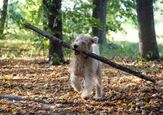
Outdoor-loving dogs, like those who enjoy long days out hiking or hunting, often run through forested areas and locations where sticks and other debris can be found at eye level. If your dog is hit in the eye with a stick while trying to make their way through the bush, it could scratch or puncture the eye.
While a scratch may not sound serious, the eye is fragile, and even the smallest injury can have long-term effects on your dog’s vision. Whether you’re using a clear lens for basic protection from debris or a darkened lens to make it easy for your pup to see on a bright day, goggles can improve their outdoor adventures.
Hitting the Open Road
Whether your dog likes hanging their head out the car window or you’re planning to bring your best friend along on your next bike ride. Most dogs love the feel of the wind in their face, but with that wind can come dirt and debris, creating a significant risk to their eyes!
While there are other risks to consider when deciding if you should let your dog hang their head out the window, one step you can take to make the experience safer is to have your dog wear protective eyewear. Ensure the goggles fit securely so they aren’t blown off with the pressure of the wind during the ride.
Salt Water and Pool Chemicals
While it is safe for your dog to swim in salt water (oceans or pools) and in chemically treated pools (like swimming in chlorine), there are some risks to consider. This is especially true if you have a dog who would enjoy swimming all day, if you let them.
Over time, the salt or chlorinated water may irritate your dog’s eyes, leading to discomfort and irritation. Left unaddressed, this irritation could escalate into something far more severe. Just as you can purchase swim goggles for people to safely open their eyes in the water, dog goggles are a great solution.
Eye Injuries and Conditions
Dogs recovering from an eye injury or living with a medical condition that impacts their eyes may face an increased risk of trouble. This includes treatable conditions, like cherry eye, and those requiring lifelong management, like progressive retinal atrophy and iris atrophy. While these conditions require care and attention, they don’t mean your dog must stay indoors 24/7.
Dog goggles are a great way to prioritize your dog’s safety and allow them to spend time outdoors just “being a dog.” If you’re concerned that your dog already has vision limitations and goggles could limit that further, opt for a pair with a clear lens.
Protection for Blind Dogs
Going a step further, if your dog’s vision is nearly gone or completely gone, they are susceptible to suffering cuts or injuries simply because they can’t see the hazards to avoid them. This was a struggle we faced with our former senior pup, Daviana. She would walk into low-hanging branches without realizing they were there. Outfitting your visually impaired dog with goggles will allow them to enjoy the freedom of exploring while still keeping them safe.
Your Dog is Accident Prone
Some dogs can see fine; they just don’t pay attention to where they are going. No judgement here! Our newest rescue girl, Willow, is a sweetheart, but she gets SO excited that she bolts off while forgetting to watch where she’s going. It’s a typical day if she runs into a tree, a doorway, or even a wall.
Most times, Willow’s “moments” result in nothing but laughter. But there is always the risk that something she runs into may poke or scratch her eyes, causing trouble. A pair of goggles is cheaper than the potential of emergency vet bills and also prevents unnecessary pain or discomfort.
High-Risk Jobs and Activities
Dogs hold many vital roles in our society, from members of law enforcement to search and rescue operations. These jobs require them to navigate high-risk situations where they may suffer injuries. Just as we have safety gear for many jobs humans perform, outfitting a working dog with the necessary gear is essential.
In addition to working dogs, there are many dog sports and activities that could introduce a higher risk of injury. For example, hunting dogs often run through sticks and vegetation to retrieve or flush out game. Goggles will help to keep them safe while they are focused on performing their best.
Are Dog Goggles Necessary?
Unless your veterinarian says otherwise, dog goggles aren’t absolutely necessary. But this doesn’t mean that they aren’t beneficial. Emergency vet bills can add up fast, putting unnecessary strain on your bank account. Plus, you wouldn’t want your dog to suffer pain or discomfort if it could be prevented. Consider your lifestyle and favourite activities. Is your dog at risk of injury or eye damage? If so, it may be worth investing in eye protection for your pup’s safety.

Factors to Consider When Choosing the Best Dog Goggles for Your Pup’s Needs
So, you’ve decided that your dog should be wearing goggles. Now what? The next step involves finding the best goggles for your dog’s facial structure, lifestyle, and personal preferences. Here are some of the most important factors to consider when weighing your options:
Purpose
Most dog goggles are designed with a specific need or purpose in mind. For example, if you are purchasing goggles for swimming, you don’t want to buy breathable goggles with vented frames designed to allow water to drain as they would also let water in.
Lenses
There are several lens options, each with benefits and potential challenges. For example, clear lenses are the easiest for dogs to see through while still offering UVA/UVB protection. However, if you’re going to be outdoors in bright sunshine, a darker lens may be preferred.
Durability
Will your dog be wearing their goggles while relaxing in a canoe, or will they be barreling through the bushes retrieving game? Some activities are perfect for lightweight goggles, which can be more comfortable. But you may want to consider a more durable option for rugged activities.
Comfort & Preferences
Of course, your dog’s new goggles will not help keep them safe if they refuse to wear them. Take a moment to consider your dog’s personal preferences. Some dogs are great with all styles, while others may need you to accommodate fears or concerns. For example, your dog may hate having anything that goes over their head to put it on, requiring a pair that can be fastened.
Another important consideration when looking at comfort is sizing and adjustability. Start by measuring your dog to find the right size (more on that below). However, every dog is different, and there’s a chance a cookie-cutter sizing guide simply won’t match your pup. For this reason, you also want to choose goggles that offer multiple adjustment points to customize the fit.
How to Measure for Dog Goggles
Once you have chosen a brand, take a moment to consult their sizing guide. This will show you specifically what measurements they consider when determining the size of their goggles.
The most common measurements are:
- Head circumference: around the head, approximately an inch above the eyes, where you want the top of the goggles to rest
- Muzzle circumference: around the muzzle close to the back of the mouth where it’s widest
If your dog doesn’t fit into the range listed in the sizing guide, the brand should provide recommendations for whether you should size up or size down. For example, Rex Specs recommends sizing up to allow for a better range of vision. Other brands may recommend sizing down for a more secure fit.
Unsure which way to go? Don’t hesitate to reach out and contact their customer service team. Any reputable brand will happily help you find the right size!
Goggle Training and Conditioning
Anytime you add new gear to your dog’s routine, you must introduce it slowly. This allows your dog to become familiar with the item and make a positive association, helping them see wearing their goggles as a sign of good things ahead versus something to be afraid of.
Begin by placing the goggles out so your dog can inspect them without worrying about you trying to put them on. Give them time to check them out, smell them, and become familiar with them. Offer treats and praise every time they interact with them. You can also use a clicker to mark the moment they interact with the goggles, helping to create a solid association between the goggles and the reward.
When your dog is comfortable moving around their new gear, try bringing it to their face. Hold the goggles up to their face, praising them when they allow them to touch their face before taking them away. Over time, you can work up to fully putting the goggles on and then work up the length of time they are wearing them.
Our Go-To Dog Eye Protection: Rex Specs V2 Dog Goggles
There are many different options for goggles on the market. As an outdoor-loving family, we spent a lot of time researching and testing options to keep our pups safe while hiking, canoeing, kayaking, and enjoying our many travels. Ultimately, we decided that Rex Specs V2 Dog Goggles are the more reliable solution.
Rex Specs is a well-known brand in the pet space, having supplied goggles for many working dogs, including police K-9s, military K-9s (at home and overseas), border patrol agents, and search and rescue dogs. Why do they all trust this brand? They are incredibly durable, offer better overall coverage across the face, and boast 99.9% UV protection.
While these goggles are a little pricier than some other options you can find online, we firmly believe in investing in quality gear – especially when purchasing safety gear. You get what you pay for, and there’s no price I wouldn’t pay to keep our pups safe!
Pros
- Protect your dog’s eyes from dirt and debris that could damage the eye
- UV Protection
- Some dogs will find gear comforting when facing stressful situations
Cons
- Some dogs are very opposed to wearing things on their face, refusing to use them
- High-quality goggles are an investment
- If not properly fit, they could come loose or move around, causing injuries
Final Thoughts: Dog Googles and Your Pup
While dog goggles might seem like a funny product at first glance, they are a great solution to protect your pup in a variety of situations. Whether it’s shielding their eyes from harmful UV rays, preventing injuries from flying debris, or accommodating dogs with eye conditions, goggles can open the door to fun, safe, and enjoyable outdoor adventures.
Remember, the key to successful goggle use is finding a comfortable fit and introducing them gradually.
The next time you’re gearing up for an outdoor adventure, consider adding a pair of dog goggles to your list. It could be the difference between happy moments bonding with your dog and a trip to the nearest emergency clinic.
Join the PetGuide community. Get the latest pet news and product recommendations by subscribing to our newsletter here.
Britt Kascjak is a proud pet mom, sharing her heart (and her home) with her “pack” which includes her husband John, their 2 dogs – Lucifer and Willow – and their 2 cats – Jinx and Theia. She has been active in the animal rescue community for over 15 years, volunteering, fostering and advocating for organizations across Canada and the US. In her free time, she enjoys traveling around the country camping, hiking, and canoeing with her pets.
More by Britt