

Why Does My Dog Keep Eating Grass?

Grass-eating is one of those weird but common dog habits. It’s generally nothing to worry about, but it can be helpful to understand why they do it and when you should keep an eye on them. Let’s get into it.
Disclosure: PetGuide may receive a small affiliate commission from purchases made via links in this article but at no cost to you.

Is Eating Grass Normal for Dogs?
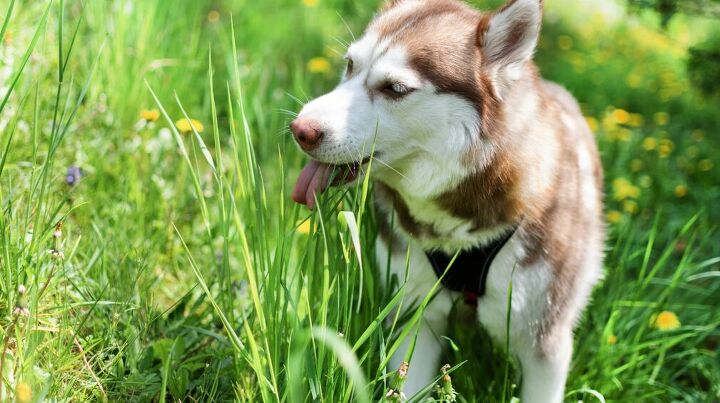
For many dogs, eating grass is a normal and harmless habit. Some dogs do it occasionally, while others do it more frequently. Most of the time it’s simply something they enjoy.
That said, grass eating can sometimes be a sign of boredom, stress, or signal a digestive issue. The key is to watch how often your dog does it and whether it’s paired with other symptoms.
Common Reasons Dogs Eat Grass
1. They Enjoy the Taste or Texture
Some dogs simply like the way grass feels in their mouth. Grass can be fresh, crunchy, and interesting, especially when it’s wet or newly grown.
2. They’re Bored or Understimulated
Dogs need both physical exercise and mental stimulation. When they’re bored, they may look for something to do. Grass is easy to find and chew, so it can become a habit.
Signs that boredom may be the cause include:
- Grass eating mostly happens during downtime or when your dog is by themselves
- The behavior stops or decreases when your dog gets more playtime or walks
- Your dog also chews on other items, like furniture or shoes

WOOF Starter Pack - Interactive Dog Toys for Boredom
3. They’re Trying to Soothe an Upset Stomach
Some dogs eat grass when they are feeling nauseous. In some cases, it can trigger vomiting, which may provide temporary relief. While this isn’t always the reason, frequent grass eating combined with vomiting could indicate a stomach problem.
4. They May Need More Fiber
Grass isn’t a nutritional requirement for dogs, but it does contain fiber. If a dog’s diet is low in fiber or if they have digestive issues, they may eat grass to help move food through their system.
If you’re concerned this may be true for your dog, consider discussing these options with your vet:
- Switching to a diet with higher fiber content
- Adding a vet-approved fiber supplement
- Evaluating your dog’s overall diet for balance and quality
5. They’re Experiencing Stress or Anxiety
Stress can show up in many different ways in dogs. Some may pace, some may bark, and some may chew grass. Changes in routine, new environments, or separation anxiety can all lead to this behavior.
Signs stress may be involved include:
- Grass eating increases during changes in routine
- Your dog seems nervous, restless, or withdrawn
- The behavior starts after a major change, such as moving or a new family member

Benebone Wishbone Durable Dog Chew Toy
When Grass Eating Becomes a Concern
Grass eating is usually harmless, but it can be problematic in certain situations.
You should contact your vet if:
- Your dog eats grass frequently and appears unwell
- Your dog vomits after eating grass
- Your dog has diarrhea, loss of appetite, or weight loss
- Your dog is lethargic or acting unusually
- Your dog is eating grass treated with pesticides or fertilizers (while grass is generally fine for dogs, pesticides and fertilizers can be dangerous)
Final Thoughts
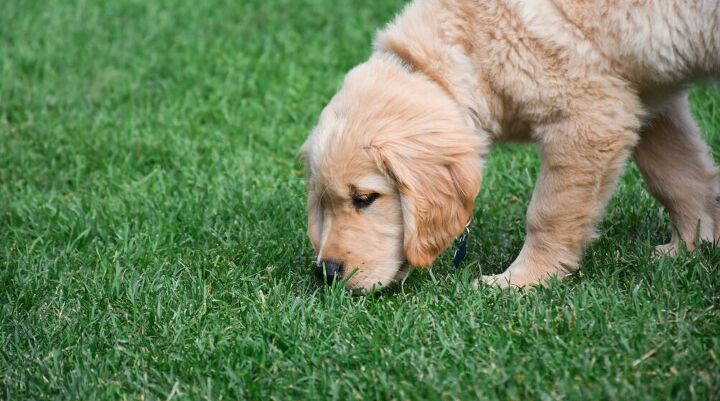
Eating grass is pretty normal for dogs, and in most cases, it’s harmless. Many pups do it just because they enjoy it or because they’re bored.
However, if it starts happening often or your dog seems unwell, it’s a good idea to check in with your vet.
With a bit of attention and a few simple adjustments, you can help your dog stay happy and healthy.
Join the PetGuide community. Get the latest pet news and product recommendations by subscribing to our newsletter here.
More by Rachel


