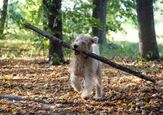


How to Stop Your Dog From Chewing Shoes

Chewed-up shoes are a common frustration for dog owners. Whether it’s a teething puppy or an adult dog with a hard-to-break habit, shoe chewing is usually a sign of an underlying need rather than simple misbehaviour. Here’s what you need to know.
Disclosure: PetGuide may receive a small affiliate commission from purchases made via links in this article but at no cost to you.

Table of contents
1. Why Dogs Chew Shoes
Shoes are appealing to dogs for a few basic reasons. They carry a strong scent of their owner, which can be comforting. They’re also easy to grab and fun to chew.
Puppies chew because their gums are sore, while adult dogs often chew out of boredom, excess energy, or stress.
Once you look at shoe chewing as a need-based behavior, not a discipline issue, it becomes easier to fix.
2. Start With Management
The simplest solution is often the most effective: don’t leave shoes where your dog can reach them. Keep them in a closet, closed bedroom, or shoe storage cabinet, especially while your dog is still learning.
Reducing access prevents the habit from being reinforced and gives you time to teach better alternatives. However, sometimes it’s easy to forget!

EOYUTLLY Shoe Cabinet for Entryway
3. Offer Better Chew Options
Dogs need appropriate things to chew. If they don’t have them, they’ll choose their own.
Make sure your dog has a few durable chew toys that fit their size and chewing style. Some dogs prefer rubber toys, others like rope or textured chews. Rotating toys every few days helps keep them interesting.
You can also make toys more appealing by stuffing them with dog-safe peanut butter (free from xylitol), yogurt, or other simple treats. When chew toys are more rewarding than shoes, dogs naturally gravitate toward them.

4. Teach Clear Boundaries
Basic training plays a big role in stopping shoe chewing. Teaching cues like “leave it” and “drop it” helps you interrupt the behavior calmly before damage is done. When your dog makes the right choice—ignoring a shoe or switching to a toy—reward them with praise or a treat.
Avoid yelling or telling them off. Dogs often don’t connect punishment with something they did minutes earlier, and harsh reactions can increase anxiety, which often leads to more chewing.
5. Make Sure Your Dog Gets Enough Activity
Many chewing problems are really boredom problems. Dogs need regular physical exercise and mental stimulation to stay balanced.
Daily walks, playtime, short training sessions, and puzzle toys all help burn energy and reduce the urge to chew inappropriate items. Even small increases in activity can make a noticeable difference.

WOOF Starter Pack - Interactive Dog Ball Toy for Boredom
6. Consider Stress or Anxiety
If shoe chewing mainly happens when you’re away, your dog may be dealing with separation anxiety. Leaving a worn T-shirt, keeping departures low-key, and providing engaging toys before you leave can help.
For ongoing or severe anxiety, a vet or certified behavior professional can offer guidance.
7. Be Patient and Consistent
Changing chewing behavior takes time, especially if it’s been happening for a while. Stay consistent with management, provide good alternatives, and reward the behaviors you want to see.
Most dogs improve steadily once their needs are met and expectations are clear.

Final Thoughts
By limiting shoe access, offering better options, and supporting your dog with training and activity, you can protect your footwear and help your dog develop better habits.
Is this something you're currently struggling with? Let us know in the comments.
Join the PetGuide community. Get the latest pet news and product recommendations by subscribing to our newsletter here.
More by Rachel


