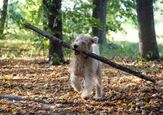
We often view playtime with our furry friends as a way to burn excess energy or enjoy a few moments of laughter after a long day. However, for our pups, play is so much more than that! It’s a fundamental need driven by their natural instincts that directly affects their cognitive health. By shifting our focus from “playing with our dog” to “understanding how our dog plays,” we unlock a new level of communication and connection. Every leap, tug, and search tells us about their unique personality and physical needs for a happy, healthy life. Recognizing your dog's play style and incorporating it into your daily routine will do more than just provide entertainment. It can truly improve their quality of life! Disclosure: PetGuide may receive a small affiliate commission from purchases made via links in this article, but at no cost to you.The Science of Play To really understand why your dog gravitates to specific activities, toys, and games, we must look beyond the backyard and into the evolutionary history of dogs in general. For them, play is rarely random. It is actually a way of practicing their hunting skills. In the wild, this sequence of behaviors involves a specific order of operations: orient, eye-stalk, chase, grab-bite, kill-bite, dissect, and consume. In addition to practicing and perfecting their hunting skills, play also serves several critical roles in their development and mental health. Motor Skill Refinement: Play allows dogs to practice more complex movements, such as pivoting, sprinting, and grasping, in a safe environment. Stress Regulation: Engaging in these play behaviors triggers the release of dopamine and endorphins, which help lower cortisol levels and make it easier for your dog to recover emotionally after an anxious or stressful event. Social Communication: Through play, dogs learn the nuances of communicating with one another (and with you) using body language. For modern domestic dogs, selective breeding and individual personality have altered this sequence. While some dogs are wired to find the “chase” most rewarding, others find the “dissect” (ever seen your dog tear their toy apart) or “grab-bite” phase more satisfying. Identifying which behaviors resonate with your dog is the first step in providing the enrichment they crave. Factors Influencing Your Dog’s Play Preferences While every dog is an individual, with their own personality, their preferred play style is typically shaped at least partially by three main factors: Genetic PredispositionHerding breeds (like Border Collies) often prioritize the eye-stalk and chase phases, skills used in herding. Terriers typically have a strong drive to grab-bite and kill-bite (often seen as vigorous shaking of a toy) because they have been bred to hunt rodents and other small prey. Over generations, their focus on these specific behaviors has been nurtured and refined, making them better at the job their breeds are expected to perform. Life Stage and Physical CapabilityOf course, as our dogs age or experience physical changes in their bodies (such as the result of an injury or illness), their ability to carry out some of these behaviors can be affected. This, in turn, can lead to a change in their play style. An enthusiastic wrestler as a puppy may grow into a searcher or dissector as they get older, seeking activities that are lower-impact but still mentally fulfilling. Early SocializationThe types of play your dog was exposed to during critical developmental periods as a puppy can directly impact their “comfort zone” as an adult. For example, if a puppy grew up playing fetch regularly and was rewarded for it, they may internalize that positive association and show a preference for fetch as an adult. The Most Common Dog Play Styles Once we understand the “why” behind our dog’s behavior, we can begin categorizing their behavior into specific play styles. While most dogs have a favorite style, many are “multimodal,” meaning they enjoy and happily engage with different styles depending on their environment or the toys they have been given. By learning these categories, we can not only plan targeted playtime but also buy the right toys to meet their needs. The Chaser (Fetch & Movement) For these dogs, the thrill is entirely in the pursuit of their “prey.” They are often high-energy pups who prioritize the orient, eye-stalk, and chase portions of the predatory sequence. Our boy, Lucifer, falls into this category, thanks to the herding instincts that he inherited as an Australian Cattle Dog mix. You may notice your dog hover or stare intensely at a ball, wait for the slightest hand movement, and find more satisfaction in the run than in actually holding or engaging with the toy. This is great for cardio exercise and building focus; however, you need to be careful with repetitive high-impact stops and turns. Varying the terrain and distance during games of fetch can help protect their joints over time. Preferred Toys: Balls, discs, or “chuck-it” style launchers that allow for long-distance fetch and high visibilityThe Wrestler (Physical Engagement)Wrestling is a highly social and physically interactive play style. It is characterized by body-slamming, “mouthing,” and pinning one another. This style is less about external objects and more about connection with a play partner, whether that’s a dog or a human friend. You may notice deep play-growls, play bows, or your dog rolling onto their back during play. This is the category our Anatolian Shepherd mix, Willow, falls into. This play style is great for building social confidence, as it is so deeply ingrained in the body language communication between playmates. It’s also a great opportunity for younger pups to learn inhibited biting (the ability to control the pressure of their mouth to “play bite” without actually causing harm). But keep an eye open for signs of over-arousal. Healthy wrestling should include frequent pauses, allowing both parties to rest before continuing. Preferred Toys: Large, durable plush toys or oversized heavy-duty balls that the dog can lean into, wrestle with, or kick at with their hind legs