

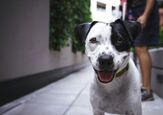
Maryland County Scraps Pit Bull Ban

Latest county to join a rising number of cities and states now putting responsibility back on the owner.

Joining a growing roster of cities and counties that have lifted the BSL (Breed-Specific Legislation) on pit bulls, Maryland’s Prince George’s County has just ended a 27-year ban.
At the time they instituted the restriction, it was in response to public pressure and the belief that the breed (and any dog resembling it) posed a safety risk. This was due to recent attacks and a tendency to see pit bulls as the dog of choice for dog-fighting rings because of their powerful build. Similarly, this same rationale was the catalyst for many cities throughout North America and Europe to designate certain breeds – typically Pit Bulls but also Dobermans and Rottweilers – as dangerous and therefore banned.
Now, Prince George’s County is not leading the charge on lifting this ban. Back in 2018, under a new mayor, the City of Montreal determined that rather than breed-specific restrictions, it would focus on aggressive dog behaviour through a bylaw requiring permits for any dog deemed potentially dangerous. And that could include everything from a Pit Bull to a larger dog breed, and even a poodle if it has a history of biting and is therefore seen as aggressive.
In states including Florida and Colorado, individual municipalities are permitted to introduce bans specific to the city; however, in California, Texas, and New York, state-wide laws prohibit cities from introducing any type of area-specific breed-specific ban.
This shift in behavior seeks to update the former broad-brushing of breeds to focus on individual dog behaviors and owner responsibility.
In Toronto, Canada, GPS mapping identifies specifics, including where the offending dog lives, the breed, and what behaviors required him to be designated as dangerous. This “heads-up” approach allows individuals and pet owners to be aware and take informed actions when choosing their walking route.
While the ban-lifting process has made strides to level the playing field for dogs who previously would have been euthanized, and their owners who have provided loving, responsible homes, there is also a more practical approach to lifting the Breed Specific Ban.
Per Prince George’s County Council Chair Ed Burroughs, roughly 30,000 pit bulls are living in the county. "The ban that we’re spending $3 million a year to enforce, the ban that we’ve spent $100 million to enforce, is not working.” He further stated, “By increasing accountability, raising civil penalties, and expanding both the definition and requirements for classifying a dog as dangerous, we are taking a comprehensive approach to responsible pet ownership. This legislation holds irresponsible dog owners accountable, ensuring that the focus remains on behavior, not breed."
Welcome new for responsible dog owners everywhere!
Sharing space with three seriously judgy Schnoodles and 2 felines who prefers to be left alone. #LivingMyBestLife
More by Mary Simpson


