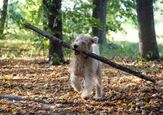


Is Tug-of-War Bad for Dogs? A Guide to Safe Play for Your Pup


We’ve all seen it, the look of pure joy the moment your dog grabs a toy, plants their paws, and gives you the playful invite to pull. It’s one of the most rewarding ways to play and connect with your pup, tapping into their natural instincts while spending quality time together.
However, in recent years, experts have been warning that this well-meaning game could be putting your dog at risk. The way you pull can put unnecessary strain on your dog’s neck and spine, potentially causing long-term injuries. Luckily, it doesn’t have to be that way! By making a few simple changes to how you move and what toys you choose, you can ensure your dog’s favorite game stays fun, their body stays protected, and your bond only gets stronger.
Disclosure: PetGuide may receive a small affiliate commission from purchases made via links in this article, but at no cost to you.
Understanding the Love of Tug
To truly appreciate the game, we have to look at it through our dogs’ eyes. Tug isn’t about conflict or winning; it is a safe, structured outlet for the natural predatory or hunting sequence their ancestors used. In the wild, dogs would use these same muscles and actions to secure and dismantle food. When we play tug, we are giving them a way to satisfy those urges without the need for actual hunting.
Cooperative Play
Unlike a game of fetch, which is often a repetitive go-and-get cycle, tug is a collaborative game played together. When you hold the other end of the toy, you are working with your dog on a shared task. This shared experience builds a unique level of trust. It turns that simple toy into a special form of communication, where you both learn to read each other’s body language and interactions in real-time.
Mental Enrichment and Decompression
Tug is often more exhausting for a dog than a long walk because it’s not just a physical effort. There is an intense mental focus required. It demands high levels of:
- Concentration: Tracking the toy's movement and adjusting their grip when needed
- Physical Control: Using their core and hindquarters to stabilize their weight
- Arousal Management: Learning to stay focused and responsive even when their adrenaline is pumping
Not only does this engage their minds, preventing boredom and supporting their cognitive health, but it’s also a great outlet for pent-up energy or anxiety. Rather than letting their big emotions build and explode negatively, they can channel that energy into a fun game.
Building Confidence Through Play
For naturally nervous, reserved, or hesitant dogs, tug can be a great way to build confidence. Allowing your dog to win the game and carry the toy around, as if taking a victory lap, offers a massive boost to their self-esteem. It teaches them that they have control and power over some aspects of their life within the safety of your relationship, which often carries over into how they handle challenges in the outside world.
Impulse Control
Arguably, the most valuable benefit for many dog parents is the ability to use this fun game as a teaching tool for emotional regulation. By introducing structured pauses and on/off cues, the game becomes an opportunity to learn and practice impulse control. Your dog learns they can be at a high level of excitement one moment and perfectly calm the next. This powerful skill is helpful both during playtime and when navigating high-stress situations in their daily lives.
How do you know if the game is working? Pay careful attention to what your dog does throughout your play session. How do they react when you pause? Do they wait for a cue, or are they still learning how to find that off switch? Don't forget to praise and reward them when they make positive, healthy choices.
Spinal and Neck Safety
As much as we love the enthusiasm our dogs naturally bring to the game, their physical safety has to be a priority. As loving dog parents, that’s where we have to step up. The canine neck and spine are impressively strong, but they aren’t designed for the sudden, vertical jerks or high-velocity shaking that often happens during unregulated play.
The most important rule for spinal health is to keep the game horizontal. When we pull upward, we force the dog’s neck into an unnatural arch, putting immense pressure on the cervical vertebrae. Instead, keep the toy at your dog’s natural mouth height. This allows them to use their rear and core muscles to pull back safely, rather than straining their neck to reach up.
While dogs naturally shake their prey (including their toys), we should avoid initiating any aggressive shaking. If you move the toy, keep the motion slow and steady, from side to side. Think of it as a smooth, rhythmic weight-shifting exercise rather than a series of sharp tugs. Rapid, vertical movements, especially those that lift a dog’s front paws off the ground, can lead to repetitive strain injuries or, in extreme cases, acute disc issues.
Finally, you should always watch for signs of fatigue. When a dog gets tired, their muscular support for the spine weakens, making them more prone to injury. If you notice your dog’s grip loosening, their pull becoming less steady, or their back arching excessively to compensate for feeling tired, it’s time to call the game over and move into a decompression activity like a calm chew.
Your dog isn’t going to self-regulate during play, especially if they are a high-drive and high-energy breed. They are relying on you to set and stick to safe limits.

Choosing the Right Gear
Not all toys are created equal. To find the right toy for your dog, it is worth looking at the various types of tug toys available today. The market has evolved beyond basic cotton rope, and choosing a high-quality toy suited to your dog is one of the easiest ways to prevent injury while keeping engagement high.
The Bungee Tug
If you have a dog that goes into tug-of-war with a lot of force, a bungee-handled tug is a non-negotiable addition to your toy bin. These are designed with a high-strength internal cord that stretches when the dog pulls. This “give” is critical because it acts as a shock absorber, dissipating the energy that would otherwise travel directly into your dog’s cervical spine and your own shoulder (yes, you can get injured during tug, too).
Recommendation: Look for long-handled bungee tugs that allow you to keep the game low to the ground without having to bend over excessively.
Real and Faux Fur
For dogs that need a little more temptation to start a game and buy into the fun, toys made from natural sheepskin or high-quality faux fur can be incredibly motivating. The scent and texture tap into their prey drive more effectively than synthetic rubber because they mimic actual prey. These materials are also much gentler on the gums, allowing for a deep, full-month grip which is safer than a shallow grip on the front teeth and accessible even for dogs who may have some dental issues.
Recommendation: A sheepskin toy is excellent for introducing tug to puppies or less motivated adult dogs.
Firehose and Tech Fabrics
For the powerhouse players, the dog that can shred a standard plush toy in seconds, firehose or ballistic nylon materials offer better resistance. These fabrics are tightly woven and durable, but unlike hard plastic, they still have enough flexibility to be kind to their teeth.
Recommendation: Seek out durable tug toys without plastic squeakers, which can sometimes break and become a choking hazard during more intense play.
The Importance of Handle Comfort
As dog parents, we often forget about our own comfort and safety. A toy with a soft, padded, or lined handle makes it much easier for you to maintain a steady, calm grip. This is especially important if you have previously suffered from any injuries or live with aches and pains in your hands. When you are comfortable, you are less likely to make the sudden, jerky movements that can startle or injure your dog. A secure handle also ensures that the game only ends when you decide it’s time, rather than because the toy slips from your hand.
The Rules of the Game
Playing tug is a thrill, but a game without boundaries is just chaos. To keep it safe and educational, we need to establish ground rules. These aren’t meant to suck the fun out of the play session; rather, they provide the structure that keeps your dog safe and mentally engaged, even when their excitement is high.
The “Take It” and “Out” Cues
Every session should begin and end with a clear signal. Your dog should wait for a “Take it” or “Go Play” cue before grabbing the toy. This prevents them from lunging at their gear the second it comes out of your pocket or the toy bin.
The “Out” or “Drop” command is the most important part of the game. It’s a physical demonstration of cooperation. By teaching your dog that letting go actually leads to more play, you turn a potential conflict into a rewarding lesson in self-regulation. This command also carries over into other areas of life, making it easy (and safe) for you to remove items from your dog that they shouldn’t have or that could harm their health.
The Skin-to-Teeth Policy
In the heat of a high-drive game, accidents can happen. However, to keep the game safe for everyone, it’s important to have a zero-tolerance policy for teeth touching skin, even if they don’t break skin. If your dog’s mouth misses the toy and nips your hand, the game stops immediately. Simply tuck the toy away and turn your back for 30 seconds. This time-out sends a clear message: caution and precise coordination are necessary if they want to play this game.
Checking the On/Off Switch
One of the best ways to use tug as a training tool, as I previously mentioned, is to practice arousal transitions. Midway through a high-intensity tug session, ask for an “Out,” and then immediately ask your dog for a calm behavior like a “Sit” or “Down.” Once they comply and their focus returns to you, reward them immediately by restarting the game. This teaches them to navigate the shift from high excitement to a calm, listening state, a skill that is helpful in the real world if they encounter distractions or stressful situations.
This is particularly powerful when working with a reactive or fearful dog. By teaching them to respond to the “Out” command in this way, you create a routine that can be used when faced with a trigger during walks or in other public places.
Age and Health Considerations
While tug is a great activity for most pups, there are certain life stages and health conditions where we need to be extra cautious or modify our approach to the game.
- The Teething Puppy: If you have a puppy whose adult teeth are still coming in, tug should be extremely gentle. Their gums are sensitive, and their jaw is still developing. Use very soft fabrics, like fleece, and avoid any actual tugging. Simply let them hold the toy and follow their movement to mimic the tugging action without resistance.
- The Senior Dog: For our older companions, tug can still be a great way to maintain muscle tone, but we must be cautious of arthritis pain or spinal stiffness. Keep the session shorter and movements even more low-impact.
- Breed-Specific Needs: If you live with a long-backed breed or a dog prone to joint issues, consult with your vet or a canine chiropractor before starting any games of high-intensity tug. They can help you learn the safe zone for your dog’s specific range of motion.
A Powerful Bond Built on Play
At its core, safe tug is about more than just a piece of firehose or sheepskin. It’s a commitment to understanding your dog’s needs and meeting them in a way that respects their health and well-being. When we move away from the “win or lose” mentality and embrace tug as a cooperative, safe mutual activity, we unlock a new level of connection with our furry friends.
By prioritizing spinal health and impulse control, you’re not just playing a game. You’re giving your dog a gift of confidence, mental clarity, and physical safety. So, grab your favorite bungee tug, find a clear space, and enjoy the true joy of a good game of tug with your best friend.
Join the PetGuide community. Get the latest pet news and product recommendations by subscribing to our newsletter here.
Britt Kascjak is a proud pet mom, sharing her heart (and her home) with her “pack” which includes her husband John, their 2 dogs – Lucifer and Willow – and their 2 cats – Jinx and Theia. She has been active in the animal rescue community for over 15 years, volunteering, fostering and advocating for organizations across Canada and the US. In her free time, she enjoys traveling around the country camping, hiking, and canoeing with her pets.
More by Britt


